
A
frican elephants are the largest land animals on Earth and one of the most rewarding sightings on any safari. This guide covers the essential African elephant facts: how big they are, what they eat, where they live and how they behave.
Whether you are a wildlife enthusiast, a student or a traveler planning your first trip, knowing these African elephant facts will make every encounter richer. We also explain where to see elephants in the wild in Tanzania, one of the best elephant-watching countries on the continent.
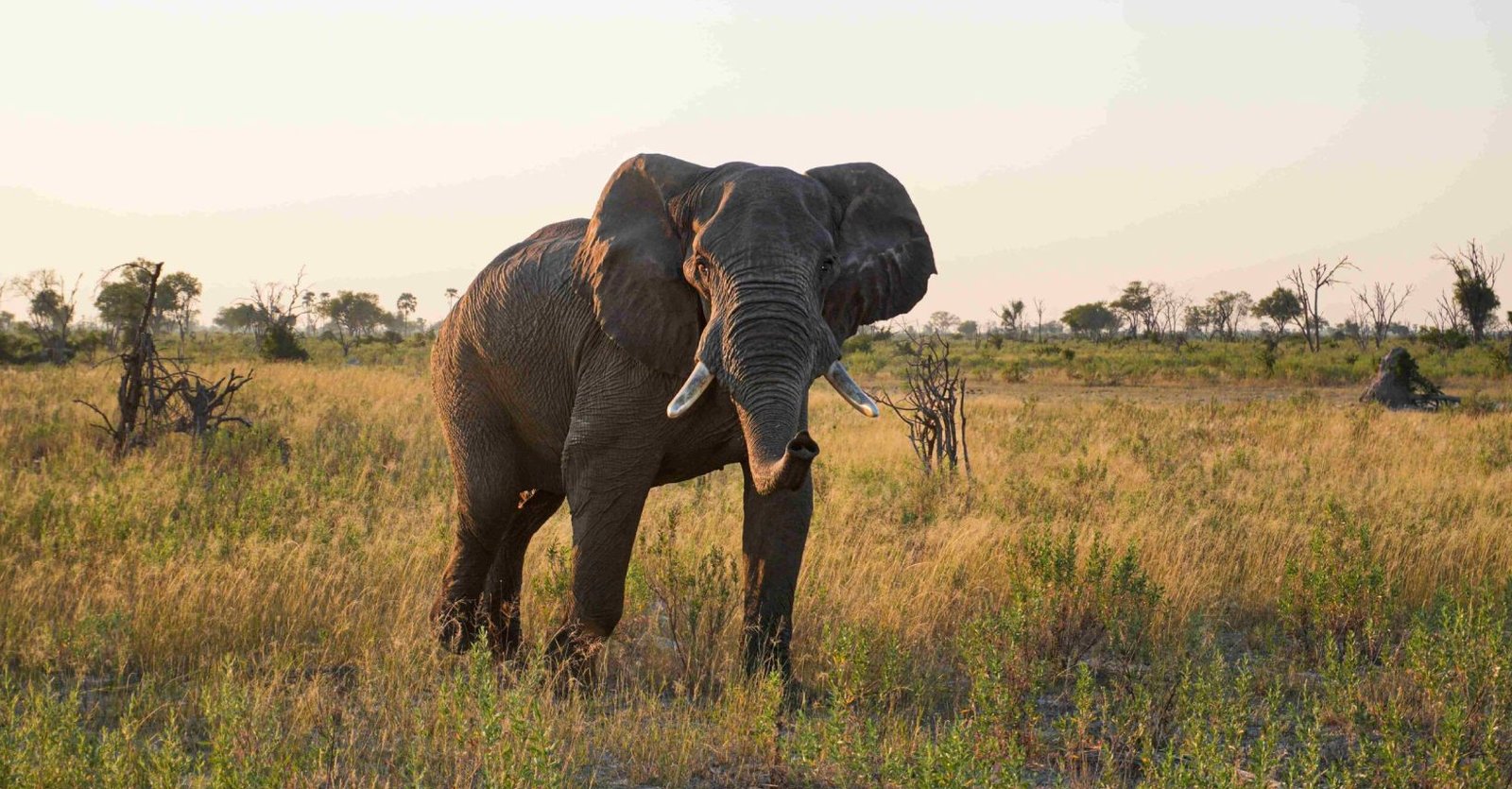
“An adult African elephant can eat around 150 kg of vegetation every single day.”
Up to about 4 m (13 ft) at the shoulder
Up to about 6,000 kg (13,000 lb)
Herbivore: grass, leaves, bark, fruit, roots
Roughly 60 to 70 years in the wild
About 22 months, the longest of any land mammal
June – October (Dry Season)
For many years, scientists treated all African elephants as one species. Today the IUCN recognizes two species, and both differ from Asian elephants, which have smaller ears, a rounded back and only one “finger” at the tip of the trunk.
Loxodonta africana. The larger species, found in open woodland and grassland. These are the elephants you will see on safari in Tanzania. IUCN status: Endangered.
Loxodonta cyclotis. Smaller, with straighter tusks, living in the dense rainforests of Central and West Africa. IUCN status: Critically Endangered.
If you have wondered how big African elephants are, the numbers are impressive. The African elephant is the largest African land animal and the largest land animal in the world.
Their huge ears can span well over a meter. They are not just for hearing: elephants flap them to release body heat, which helps them cope with the African sun.
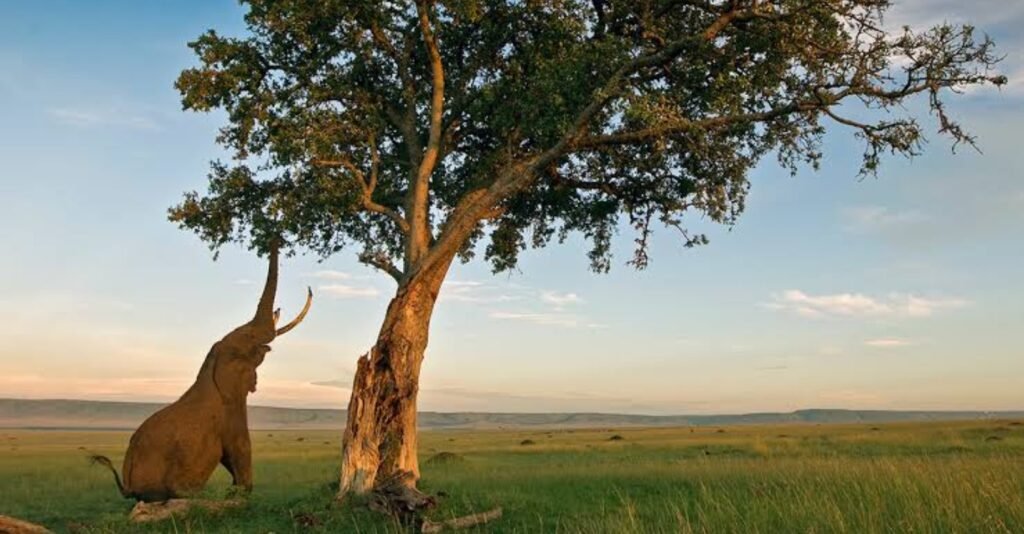
African elephants are herbivores with enormous appetites. An adult can eat around 150 kg (330 lb) of vegetation a day and spend 16 to 18 hours a day feeding.
Elephants drink roughly 100 – 200 liters a day, so they rarely stray far from rivers, springs or waterholes.
Digestion is inefficient, so much passes through whole, making elephants key seed dispersers. By knocking down trees and digging for water, they shape habitat for many other species.
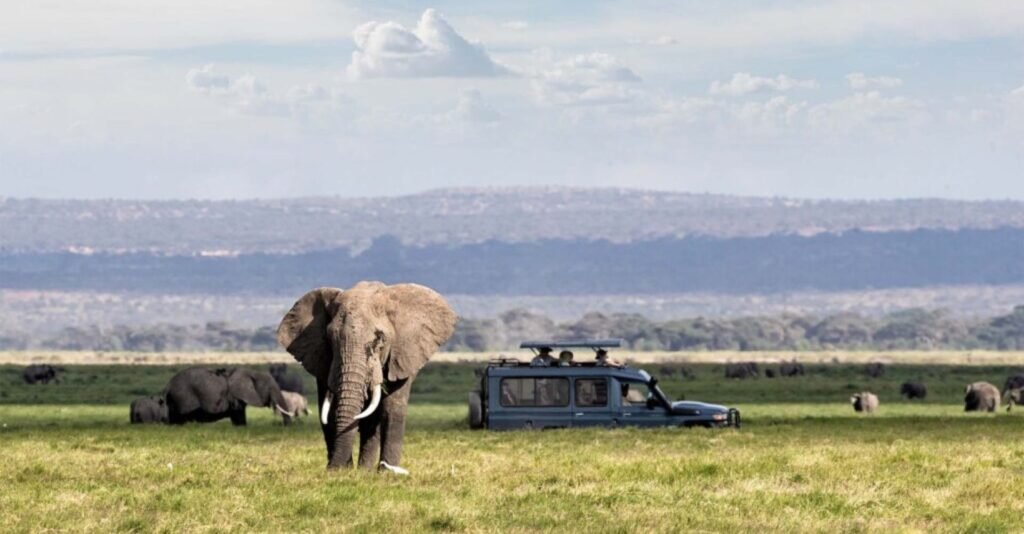
The elephant habitat in Africa is surprisingly varied. Elephants roam widely in search of food and water, and home ranges can cover hundreds or even thousands of square kilometers, which is why protected corridors between parks matter so much.
Tanzania, Kenya, Botswana, Zimbabwe and Namibia hold some of the largest elephant populations in Africa. Human settlement and farming have fragmented much of their range.
Tanzania is one of the best countries in Africa for elephant viewing, with excellent sightings in both the northern and southern safari circuits.
Famous for large dry-season herds gathering along the Tarangire River, set in a baobab-studded landscape. Widely considered the best place to see elephants in Tanzania.
Elephants are present year-round, often in the northern and western areas.
Home to some of the largest tusked bulls in East Africa.
Wild, remote southern parks with healthy elephant populations. Nyerere also offers boat and walking safaris.
Elephants are among the most intelligent and emotional animals on the planet. Understanding African elephant behavior helps you read what you are seeing on safari.
Herds are led by the oldest, most experienced female, the matriarch, along with her sisters, daughters and their calves. Her memory of water sources and routes can be vital in droughts. Young males leave in their teens and live alone or in bachelor groups.
Elephants show behavior consistent with grief, cooperation and strong long-term memory. They have been seen staying with deceased family members and caring for injured herd mates.
Adult bulls periodically enter musth, a state of raised testosterone and heightened aggression. Keep a respectful distance and follow your guide’s instructions.
Despite their size, African elephants face serious pressure from poaching for ivory, habitat loss and fragmentation, and human-elephant conflict, especially crop raiding near villages.
Tanzania lost a large share of its elephants to poaching in the 2000s and early 2010s. Stronger anti-poaching efforts have since helped populations in several areas recover. Responsible safari tourism supports this work by funding park management, local jobs and community conservation initiatives.
African elephants live across sub-Saharan Africa in savannas, woodlands, wetlands and rainforests. Tanzania, Kenya, Botswana, Zimbabwe and Namibia hold some of the largest populations.
They eat grasses, leaves, bark, roots and fruit. An adult can consume about 150 kg (330 lb) of food a day.
Adult bulls can weigh up to about 6,000 kg (13,000 lb). Females are smaller, usually 2,400 to 3,500 kg.
Bulls can reach about 4 m (13 ft) at the shoulder, making them the largest land animals on Earth.
Around 60 to 70 years in the wild.
About 22 months, the longest gestation of any land mammal.
African elephants are larger, with bigger ears, and both sexes usually grow tusks. Asian elephants are smaller with smaller ears.
Yes. The IUCN lists the savanna elephant as Endangered and the forest elephant as Critically Endangered.
Tarangire National Park is widely considered the best, especially in the dry season. Serengeti, Ngorongoro, Ruaha and Nyerere are also excellent.
African elephants are intelligent, social and essential to the ecosystems they live in. Contact our team to plan a Tanzania safari built around your dates, budget and interests.