
When to go to Kenya
Kenya shines brightest from June to October, when rain virtually disappears and daytime temperatures stay comfortable. Thanks to its diverse geography and moderate climate, Kenya welcomes safari-goers and beach lovers year-round.
Safari Season
Most Kenya safari destinations hit their peak between January and late March. During these months, you’ll enjoy mild weather, mostly dry conditions, and fantastic game viewing. Don’t dismiss the rainy seasons mid-March to June and November to December—too quickly. Visit during these months and you’ll skip the crowds while saving money at safari lodges in Kenya.
Beach Season
Timing your visit to Kenya’s famous beaches is tricky. The Indian Ocean coastline stays hot and humid throughout the year, and rain can fall at any time.
Kenya Safari High vs Low Season
| High or Peak Season | Low or Green Season | ||
|---|---|---|---|
| About June to October (long dry season) | About January to March and November to December | ||
| Highest rates | Lowest rates | ||
| Need to book well in advance | No need to book too far in advance | ||
| Cool and dry weather | Hot and occasionally wet weather | ||
| Not many baby animals around | Lots of baby animals around | ||
| Not many migrant birds to see | Fantastic time for bird-watching | ||
| Most crowded | Least crowded | ||
| Good photography conditions | Greenest, most scenic landscapes with the best light of the year for photography |
Planning your Kenya trip? Learn the best time to visit Kenya for safaris, wildlife migration, beaches, and perfect weather. Your complete guide here.
When to See the Wildebeest Migration in the Masai Mara
| Event | Approximate Time | ||
|---|---|---|---|
| Calving or Birthing Season | January to March | ||
| Intense Big Cat Action | January to March | ||
| Rutting (a period of sexual excitement, reproductive activity and mating battles between males) | January to March | ||
| Grumeti River Crossings | May to July | ||
| Mara River Crossings | July to September |
Note: These dates are approximate. The Wildebeest Migration is a continuous, circular journey throughout the year, and river crossings are unpredictable. While they typically occur between May and September, the herds may linger in one area for weeks or cross multiple times in a single day. For a deeper understanding of this incredible natural event, check out our comprehensive Wildebeest Migration guide.
Month by Month Guide for Travelling to Kenya:
Visiting Kenya in January & February
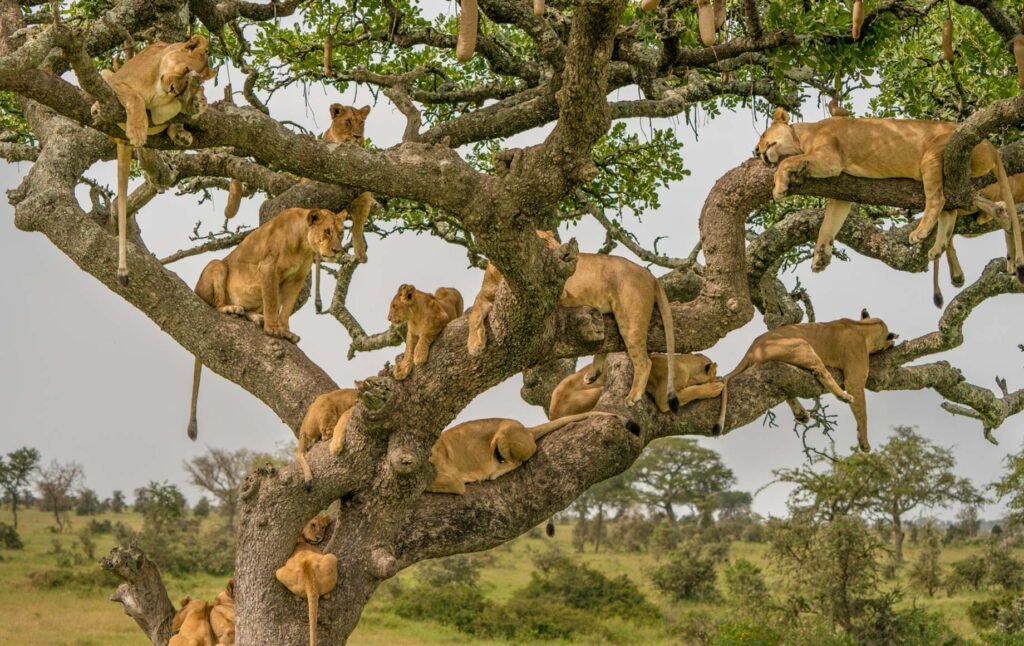
January offers excellent game viewing and marks the peak of Kenya’s summer season. The month falls between the ‘long’ and ‘short’ rainy periods, making it ideal for beach holidays on the Kenyan coast. Just be prepared temperatures soar during this time.
February delivers another fantastic month for a Kenya safari. The central highlands warm up during the day and cool down in the evening, while the coast gets extremely hot both day and night. The Masai Mara sees its driest conditions of the year in February, which draws wild animals to watering holes your best chance to spot them. February is where to go in Kenya to conquer Africa’s second highest peak, Mount Kenya.
Visiting Kenya in Marach, April & May
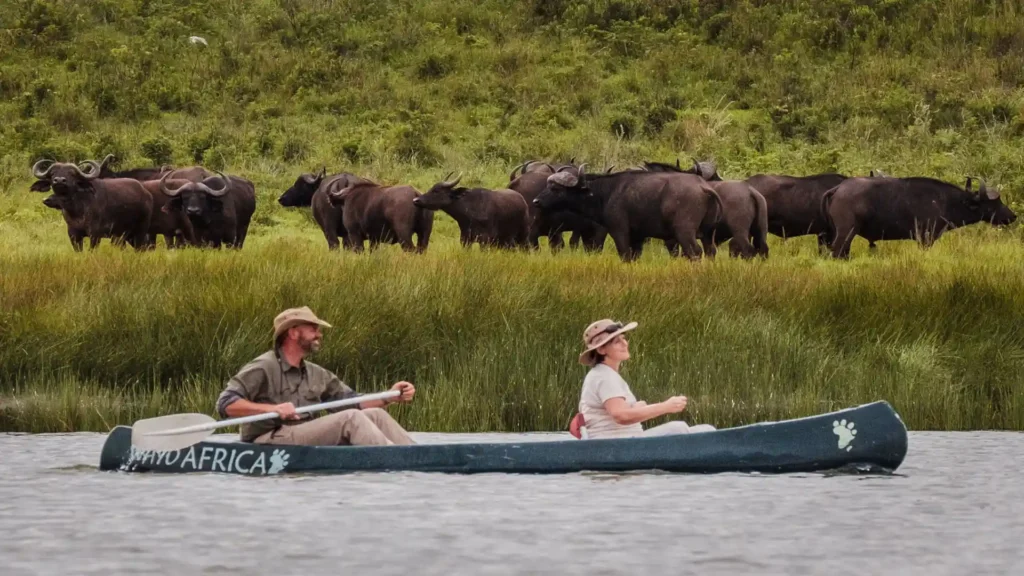
March The weather shifts quickly in March from hot and dry to wet and rainy. Rain falls throughout most of the country, turning the savannah into a muddy landscape. Some areas become difficult to reach as roads turn impassable. The upside? You’ll avoid the crowds and pay lower prices.
April brings Kenya’s heaviest rainfall. Nairobi and the central highlands heat up during the day but stay comfortable at night, while Mombasa swelters around the clock. Muddy roads can make game drives challenging, but photographers will love this month. The dust disappears, the landscape explodes in lush green, and moody skies create stunning backdrops for wildlife shots. Just protect your equipment from the rain!
May The long rains settle in during May, drenching the African plains. Along the coast, beaches lose their sunshine appeal. This isn’t the time for a powder-soft sand escape by the ocean.
Visiting Kenya from June to October
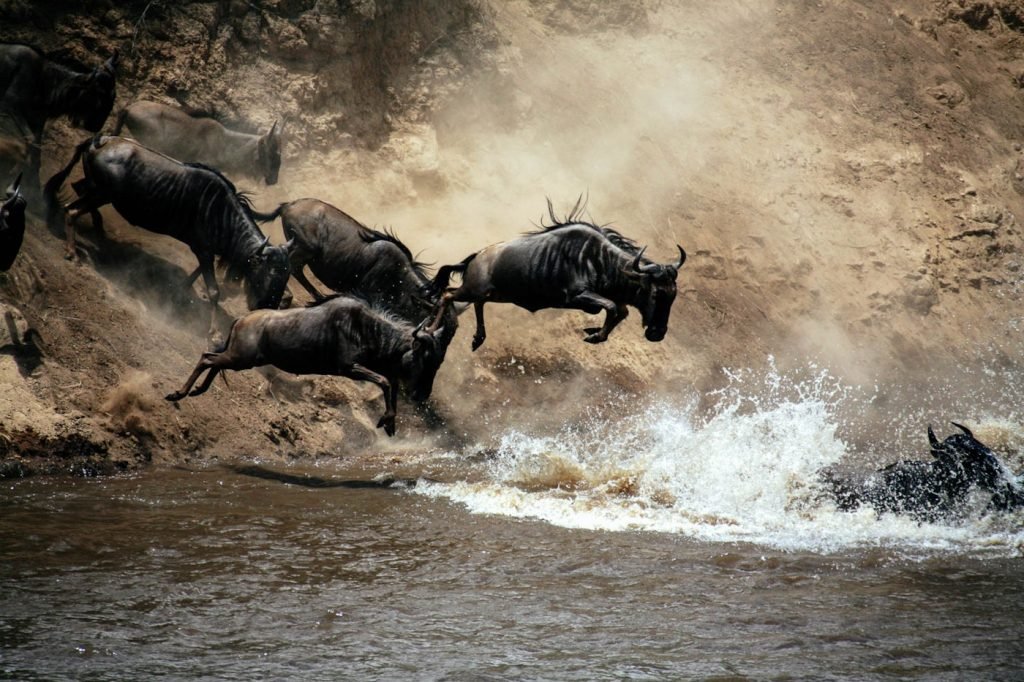
June The long dry season runs from June through October—the best time to experience a truly ‘Out of Africa’ safari in Kenya. The weather hits its peak during these months, wildlife gathers around water sources, and anticipation builds for the Great Migration’s arrival in the Masai Mara.
July The herds of Mother Nature’s greatest spectacle begin arriving in the Masai Mara toward the end of July. You could score a front-row seat to dramatic river crossings. The weather stays temperate and dry without too much dust, though occasional showers still pop up.
August The Great Migration reaches its peak in August. Temperatures remain pleasant as thousands of zebras and wildebeest make their death-defying river crossings while hungry crocodiles wait below. This month delivers awe-inspiring action at every turn.
September The weather stays generally dry in September, and the game-viewing action continues in full force.
October The migratory herds usually begin leaving the Masai Mara in October, but Kenya’s resident wildlife keeps safari enthusiasts thrilled in Big 5 country.
Visiting Kenya between November & December
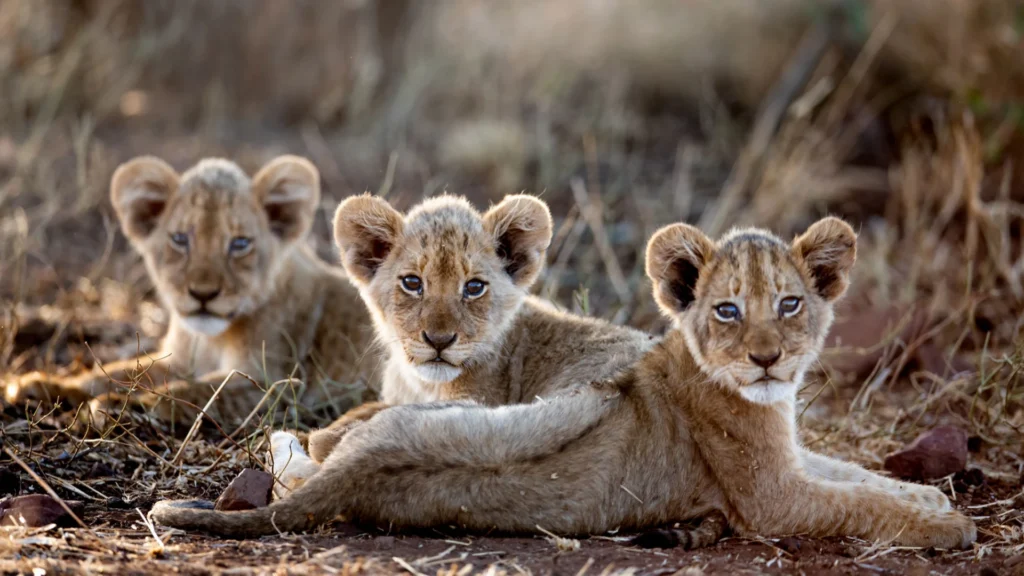
November marks the start of the short rainy season. Most parks and camps stay open, though some camps on the Laikipia Plateau close for the season. Despite the rain, this offers a great opportunity to enjoy a less crowded Kenya safari at lower prices.
December can bring intense heat and occasional rain, but the local wildlife viewing remains spectacular as always. Birdwatchers will love this month—bird numbers surge dramatically at this time of year.
Ready to Start Planning Your Visit to Kenya
Chat with someone who’s been there. Get in touch with one of our Africa Safari Experts to help tailor-make a trip that’s right for you.