
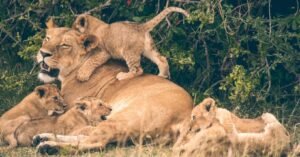
Winter blues got you down? While snow blankets the Northern Hemisphere, Africa bursts with life, sunshine, and some of the planet’s most spectacular wildlife shows. If you’re wondering where to go in Africa in January, you’re asking the right question at the right time. Furthermore, January safari experiences rival anything you’ll see during the famous migration months—often with fewer crowds and better prices.
Many travelers overlook January, focusing instead on the dramatic river crossings between July and September. However, they miss out on something special. In fact, January delivers unique wildlife encounters you simply can’t experience at other times of year.
Moreover, the weather shines across East Africa. Tanzania’s southern Serengeti transforms into nature’s greatest nursery. Meanwhile, Kenya’s conservancies offer crystal-clear game viewing. At the same time, Uganda’s mountain forests welcome gorilla trekkers with drier, more comfortable trails.
The numbers tell the story: Around 500,000 wildebeest calves take their first steps in January. Subsequently, predators follow in force. Lions, cheetahs, leopards, and hyenas converge on the southern Serengeti for this annual feast. As a result, photographers capture shots impossible during any other season.
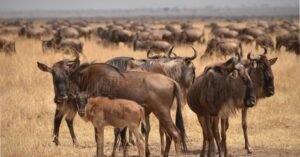
Southern Serengeti steals the show when deciding where to go in Africa in January. Specifically, the great wildebeest migration herds journey south, seeking fresh grass and safe birthing grounds. Remarkably, half a million calves arrive within just a few concentrated weeks.
This synchronization creates survival magic. Naturally, predators take their share. Nevertheless, the sheer volume of births means most calves survive. Therefore, you’ll witness nature’s dramatic balance—vulnerable new life alongside apex predators at their peak hunting intensity.
Additionally, the green season brings occasional short rains that paint the landscape in vibrant hues. Consequently, lush grasslands create stunning photography backdrops. Furthermore, fresh grazing keeps massive herds concentrated in predictable locations, making wildlife viewing remarkably reliable.
Ruaha National Park offers something completely different for January adventurers. In contrast to busier parks, fewer tourists venture here during the green season, giving you an exclusive, off-the-beaten-path experience. Similarly, the park transforms into a lush wilderness where 570 bird species show off breeding plumage and active nesting behaviors.
Large elephant herds roam freely. Meanwhile, lion prides and leopards use dense vegetation for strategic hunting. Additionally, seasonal waterholes fill with rainwater, creating new congregation points for wildlife across this vast park.
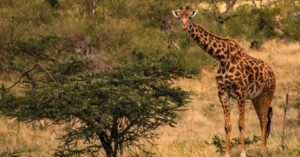
When considering where to travel to in January, Kenya delivers ideal dry-season conditions. First, clear skies stretch endlessly. Then, reduced vegetation opens up the landscape, creating optimal viewing conditions.
As a result, wildlife congregates predictably around permanent water sources. Moreover, thin vegetation helps you spot elusive species like leopards and servals. In addition, open grasslands showcase large herbivore herds—and any predators tracking them.
Mara Naboisho Conservancy borders the famous Masai Mara but offers something better: exclusivity. Specifically, this private conservancy restricts visitor numbers, ensuring intimate wildlife encounters.
January’s dry conditions make Naboisho particularly rewarding for big cat enthusiasts. In particular, lions, leopards, and cheetahs concentrate around permanent water. Furthermore, clear visibility helps you track and photograph these magnificent predators. Best of all, walking safaris become especially magical, letting you explore restricted areas and discover nature’s finer details.
Ol Pejeta Conservancy combines exceptional wildlife viewing with meaningful conservation impact. Indeed, this 90,000-acre sanctuary hosts Kenya’s largest black rhino population, plus the world’s last two northern white rhinos.
Moreover, January’s clear weather creates perfect conditions for both traditional game drives and specialized conservation experiences. Consequently, you’ll encounter healthy populations of elephants, lions, and leopards while learning about human-wildlife coexistence initiatives.
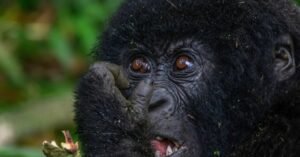
Visiting Africa in January for gorilla encounters? You’ve chosen wisely. In fact, January ranks among the very best months for gorilla trekking in Uganda.
Specifically, the dry season creates comfortable hiking conditions through Bwindi Impenetrable Forest and Mgahinga Gorilla National Park. As a result, trails stay clearer. Additionally, visibility improves for both trekking and photography. Therefore, you’ll navigate the mountain terrain more easily.
Furthermore, January’s dry conditions benefit other Uganda wildlife experiences too. For instance, chimpanzee trekking in Kibale Forest becomes more pleasant with drier trails and increased chimp activity during cooler morning hours. Similarly, Queen Elizabeth National Park delivers excellent game viewing as wildlife concentrates around permanent water sources.
Notably, many travelers combine Uganda’s mountain experiences with savannah safaris in Kenya or Tanzania, creating comprehensive East African adventures.
After days of early wake-ups and dusty game drives, Zanzibar offers the perfect antidote. Importantly, January ranks among the island’s sunniest, driest months.
Hot tropical weather meets minimal rainfall and calm seas. Consequently, these conditions create ideal settings for beach activities, water sports, and island exploration. Moreover, clear water provides excellent visibility for snorkeling and diving around coral reefs. Additionally, gentle breezes make sailing and dhow cruises particularly enjoyable.
The Indian Ocean reaches comfortable swimming temperatures, inviting long, lazy beach days. Ultimately, Zanzibar transitions you smoothly from bush adventures to island luxury.
Beyond spectacular wildlife, January offers practical benefits that enhance your safari experience. First, let’s consider the weather patterns.
In Tanzania’s Southern Serengeti, the green season dominates. Short rains refresh the landscape, creating lush conditions perfect for newborn wildebeest. However, these rains rarely disrupt game drives.
In Kenya’s conservancies, dry season conditions prevail. Clear skies dominate, and vegetation thins out. As a result, wildlife viewing reaches peak clarity.
In Uganda’s mountain forests, drier conditions make trekking more comfortable. Nevertheless, you should still prepare for occasional afternoon showers.
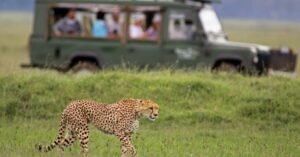
Fewer Crowds: Peak migration months bring crowds. In contrast, January delivers more intimate wildlife encounters with greater availability at premium camps.
Better Pricing: Similarly, many destinations offer attractive shoulder-season rates, making January economically smart for luxury safari experiences.
Excellent Photography: Green season landscapes provide vibrant backdrops. Simultaneously, clear dry-season visibility in Kenya creates optimal shooting conditions. Furthermore, dramatic predator-prey interactions in the Serengeti offer once-in-a-lifetime shots.
Comfortable Weather: Morning and evening game drives enjoy pleasant temperatures across most regions. Therefore, you’ll avoid extreme heat while maintaining excellent wildlife viewing conditions.
Birdwatching Peak: Both resident species and migrants appear in high numbers. Additionally, clear visibility and active bird behavior create opportunities for casual observers and serious ornithologists alike.
January works beautifully for different travel styles. First, consider these options:
Honeymoon Romance: Intimate camps, stunning landscapes, and incredible wildlife create unforgettable romantic experiences under African skies.
Photography Expeditions: Calving season drama, lush green landscapes, and excellent predator viewing deliver portfolio-worthy shots.
Family Adventures: Comfortable weather, exciting wildlife activity, and educational conservation experiences engage travelers of all ages.
Conservation-Focused Travel: Support vital conservation efforts while witnessing their impact firsthand at places like Ol Pejeta Conservancy.
Multi-Country Circuits: January’s favorable conditions across East Africa make it ideal for combining Tanzania, Kenya, and Uganda into comprehensive adventures.
Start planning early. Although January sees fewer crowds than peak season, the best camps and lodges still book up months in advance—especially over the New Year period.
Next, consider your priorities. Do you want calving season drama in Tanzania’s southern Serengeti? Big cat encounters in Kenya’s conservancies? Life-changing gorilla trekking in Uganda? Each destination delivers distinct experiences.
Then, work with experienced safari specialists who understand January’s unique opportunities. They’ll craft itineraries that position you perfectly for the month’s wildlife highlights while matching your interests, budget, and travel style.
Finally, pack layers. Green season destinations like Ruaha can experience brief afternoon showers. Meanwhile, dry season locations like Kenya’s conservancies offer warm days but cooler early mornings.
From watching lion cubs take their first wobbly steps to locking eyes with mountain gorillas in misty forests, January creates wildlife moments you can’t replicate any other time of year.
Moreover, the combination of favorable weather, reduced crowds, and exceptional wildlife activity makes January ideal for once-in-a-lifetime safaris. Whether predator pursuits excite you, conservation experiences inspire you, or you want the perfect blend of adventure and relaxation, January delivers authentic African experiences that exceed expectations.
Stop wondering where to go in Africa in January. Instead, start planning your adventure today. The wildebeest calves won’t wait, and neither should you.